

Fibers
Every rug begins with the choice of the right fiber. Natural materials and innovative fibres define not only the look and feel of a rug, but also its durability, performance, and longevity. The careful selection of raw materials reflects a balance between tradition, innovation, and sustainability, favouring high-quality fibres designed to meet the needs of contemporary living.
Natural fibers
Natural fibers (including wool, linen and hemp) are harvested from plants or derive from animal origins. They are the original materials that have been used since ancient times. Filaments are extracted from the fibers which, when intertwined, create the yarn and thread used to make rugs. They preserve the magic of ancient tradition and are known and appreciated for their comfort, versatility and above all for their resistance.
Wool
For centuries, the most widely used natural animal-based fiber for carpet production. It features excellent thermal characteristics, is naturally fireproof and absorbinng sound. Once spun, it can be knotted, woven or tufted, allowing versatility in production. There are many different types of wool, each with different characteristics. Among the most valuable is New Zealand wool, which is particularly soft and resistant and is obtained exclusively from the coats of sheep raised in a natural way in New Zealand.
Linen
It’s the most antique textile fiber in the world. Its transformation into cloth dates back to 8000 B.C. All natural, it is harvested from the plant of the same name. Its fibers are among those with the highest tensile strength. Naturally hypoallergenic and antistatic, it does not pill or retain dust. Being biodegradable, makes it one of the most ecofriendly natural fibers
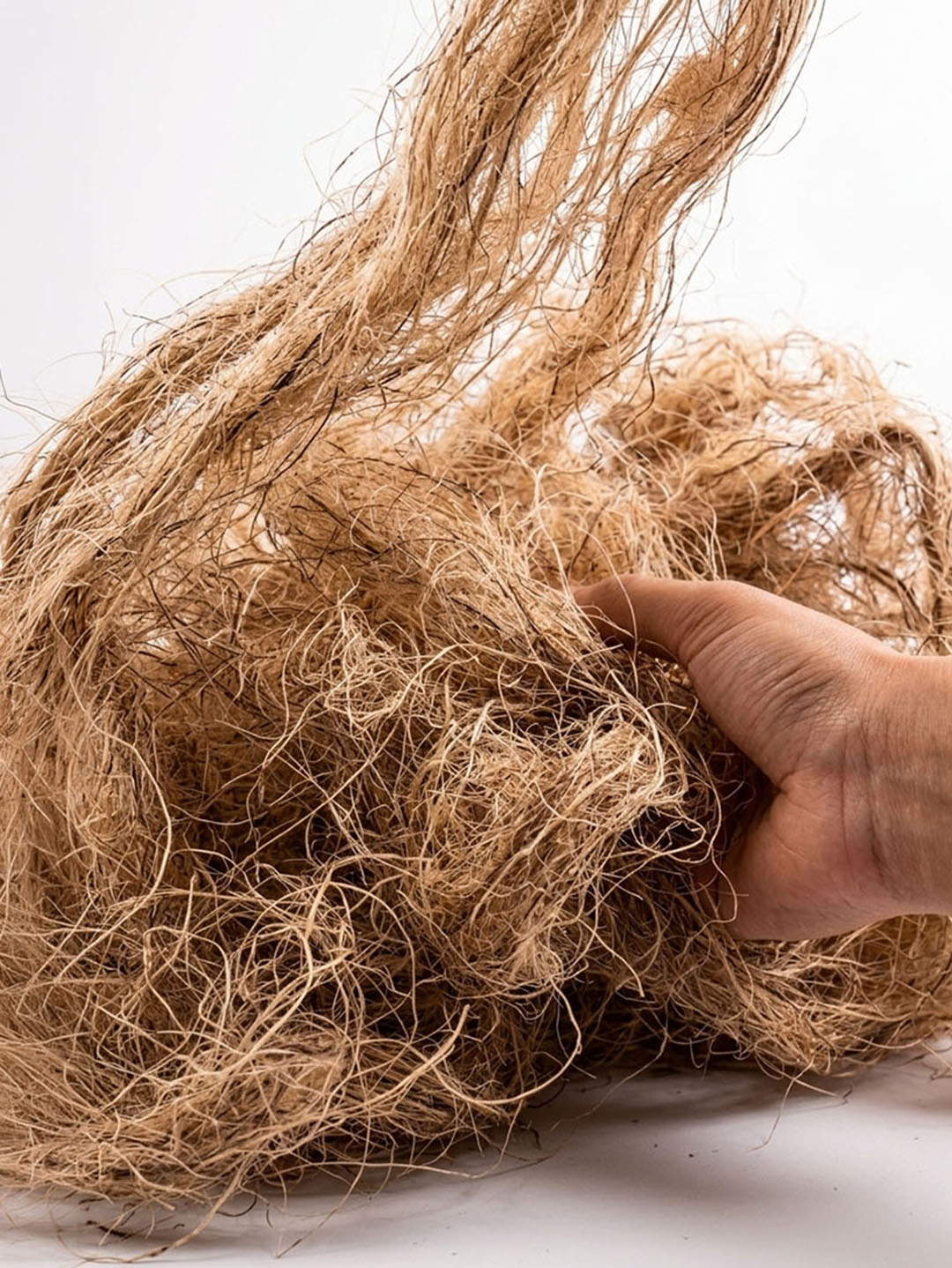
Hemp
This natural antique fiber is being used more and more in the textile industry for its excellent quality and low environmental impact. It is one of the most efficient plants at converting carbon dioxide into oxygen and enriching the soil with a strong supply of nitrogen. The fiber is highly breathable while insulating from heat in the summer and cold in the winter. Carpets made with hemp are functional, durable, mold resistant and showcase the artigianal aspect of this natural fiber.
Bamboo Silk
Among the most recent and innovative discoveries in the textile sector is silk which derives from bamboo plants. The hollow structure of its fiber gives the material insulation properties, making it highly breathable while conserving heat at the same time. Soft and lustrous, it is similar to, and a valid alternative to silk. The rapid growth of the bamboo plant avoids devastating deforestation, making it ecofriendly. Bamboo silk carpets are resistant and hypoallergenic.
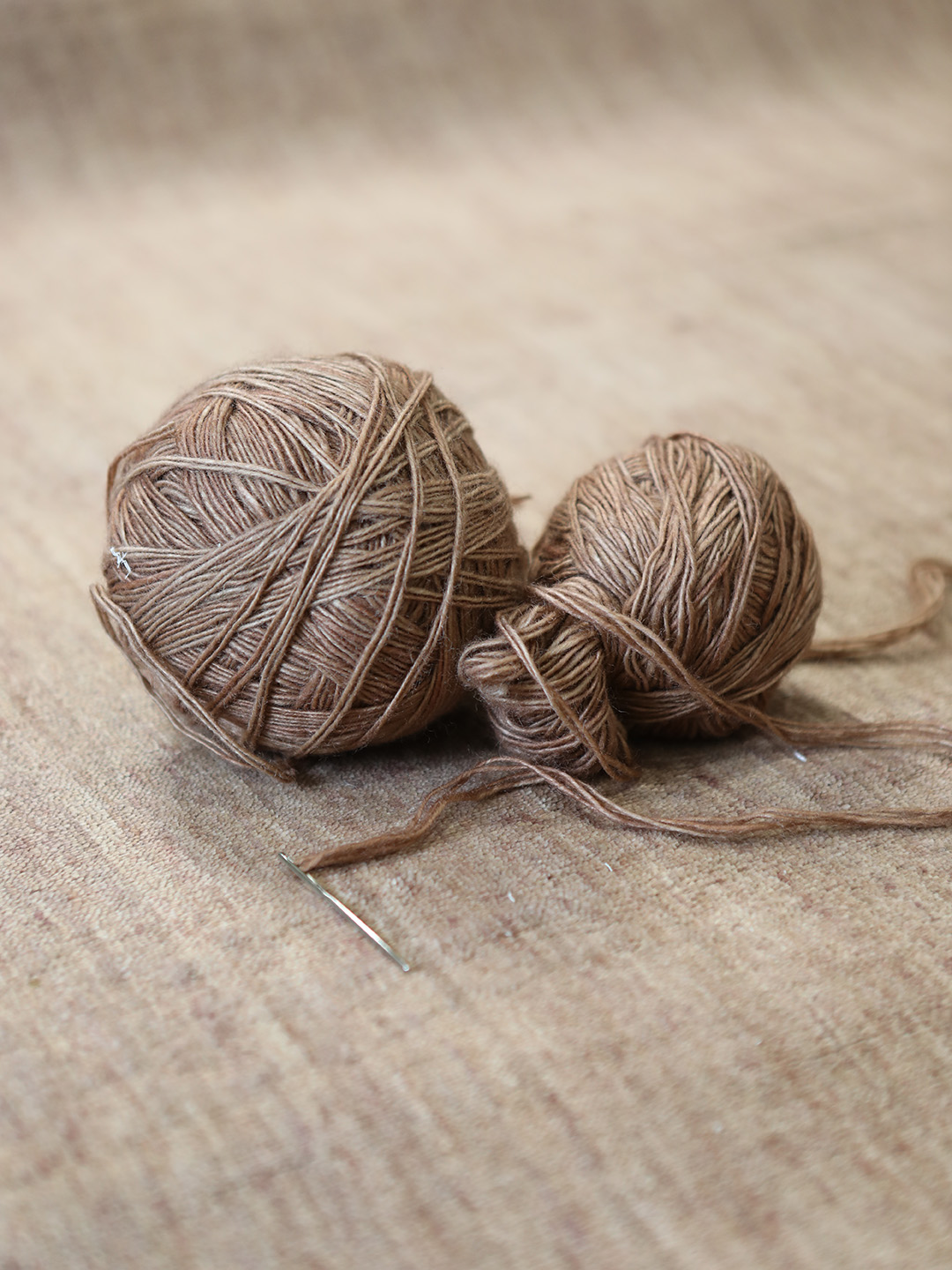
Tencel™/ Lyocell
Tencel™ is the Austrian trademark for Lyocell fibers which certifies the production of artificial fibers from components of natural origin, extracted from Eucalyptus trees. It is a ecological fiber derived from the regeneration of wood cellulose through chemical processes similar to viscose. The UE has conferred the “European Award for the Environment” to this production process and the fiber has also received Oeko Tex 100 certification.
Viscose
An artificial fiber which is produced from natural and renewable raw materials such as cotton and wood. Using various production methods, the fibers are soft and lucent similar to silk. Carpets made of viscose are elegant, smooth and soft. Viscose requires a slightly higher level of maintenance than other fibers, because is less resilient and produces pilling in the beginning due to excess threads, which will be eliminated with regular vacuuming.
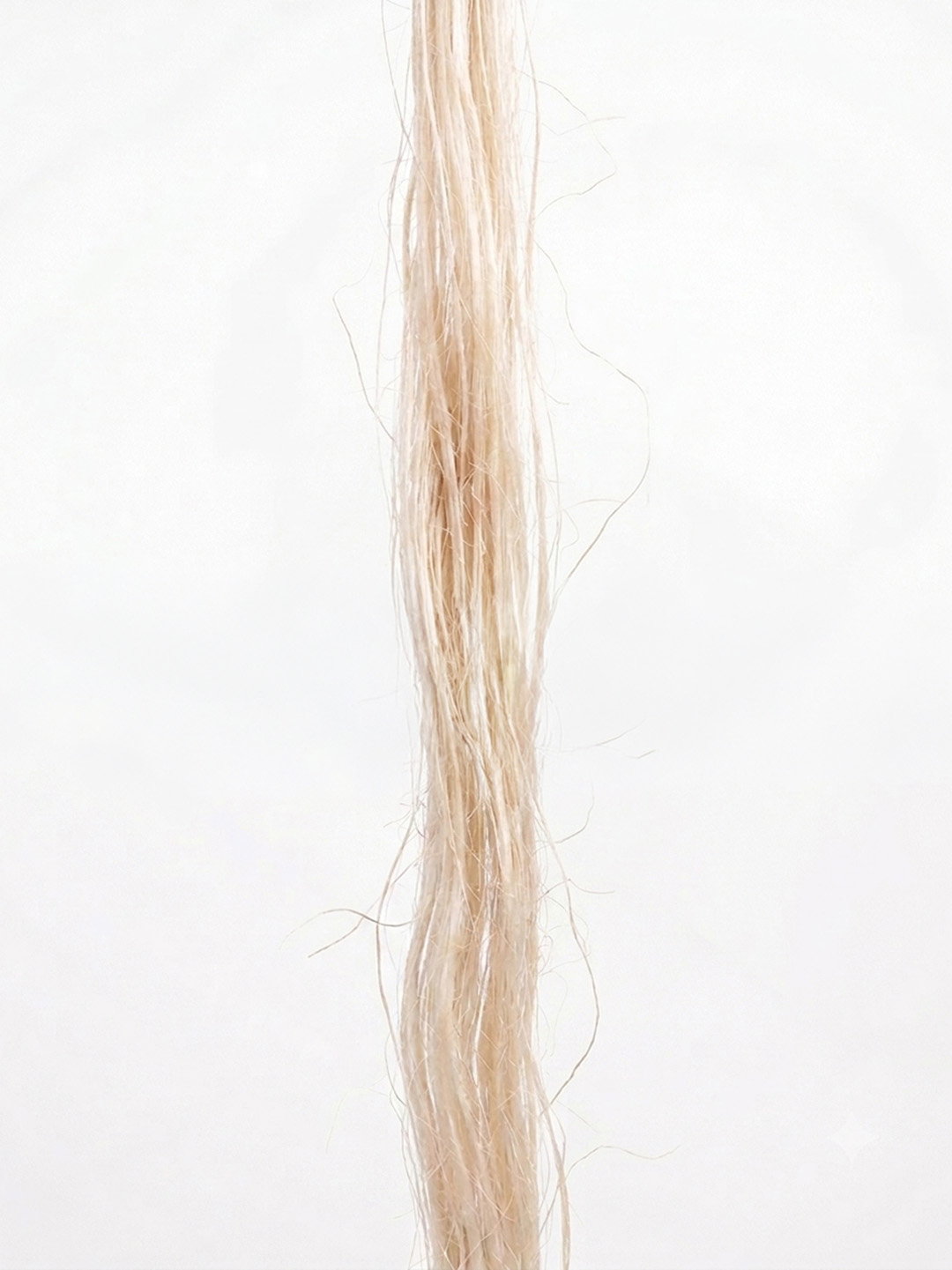
Banana Silk
A natural fiber of vegetable origin which is becoming more and more popular for its quality and the fact that it does not interfere with the environment. The material is obtained from the longest fibers of the leaves and bark of the banana tree. It is extremely resistant, all natural and biodegradable. Carpets made with banana silk have sheen similar to silk, are h
* The HS Mark
The HS Mark (Hand Spun Fiber) which accompanies some material of natural origin indicates the threads have been spun by hand. Usually this work is done by hand in India by groups of women and is the reason for slight irregularities, characteristics which guarantee artisanal execution versus mechanical production.
Technical fibers
The evolution in technology and chemical discoveries have permitted the use of high quality technical fibers which conform to the emerging needs of the environment. They are obtained through chemical synthesis and often have the technical characteristics that natural fibers cannot have. Science meets tradition with the latest generation looms and yarns become increasingly high-performing.
Recycled PET
Recycled PET is a yarn obtained from the recycling of waste materials. To produce it, PET packaging is collected, divided, chopped into flakes and washed. Through an innovative depolymerization process, an ecological, recycled and entirely recyclable yarn is obtained. It represents an important milestone in terms of sustainability and technical quality. Resistance to use and UV rays, as well as extraordinary softness, make Recycled PET carpets suitable for indoor and outdoor environments.
Polyamide (PA)
Polyamide fabric is commonly called nylon fiber fabric. Since its discovery, in the USA in 1935, it has been used in a wide variety of products in the textile industry: from ladies’ tights to parachutes for soldiers, to carpets. This is possible since it is a versatile, elastic and abrasion and light resistant material. It is an easily recyclable fiber, thus offering the benefits of a circular economy.
Polypropylene
It is a polymer developed at the Politecnico di Milano in 1954 and has been widely used since then for its excellent qualities: lighter than polyester, stain resistant, low moisture absorption and is resistant and durable. Carpets in polypropylene are resilient and offer thermal and acoustic insulation similar to wool, are easy to maintain and are hypoallergenic making them well suited for spaces where children and animals are present.
Polyester (PES)
It has been one of the most widely used synthetic fiber in carpet production. It is exceptionally resistant to wear, light damage and is more durable than many of the natural fibers on the market. It does not alter if it gets wet, does not deform and has elastic properties. A polyester carpet does not allow bacteria or mold to form, is non toxic and antistatic. It requires low maintenance and is adapted for use in any environment.
Triexta
Triexta is the newest fiber in the carpet industry. It was invented by DuPont, the same Company responsible for the invention of nylon fiber. It is naturally very resistant to stains: it can be cleaned up with just water, instead of using a spot cleaner. The main reason for Triexta’s high level of stain resistance is that the fiber is hydrophobic, meaning it does not absorbs moisture. It's perfect carpet for families with children and animals thanks to the new Nanoloc™ anti-spill protection technology: ultra-fine nano particles bond together on a molecular level to encapsulate the fibre with a complete spill and soil shield.
* The SD Mark
The SD Mark (Solution Dyed Fiber) found on some synthetic fibers indicates that they are “mass dyed”, prior to being extruded. Generally the material is a neutral color and is dipped in dye after it has been spun into yarn (hence the term “yarn dyed”). On the contrary, SD fibers are inherently colored, making them even more resistant to discoloration caused by UV rays and stains.